How long should emergency medicine residency training last? Well, that depends who you ask.
Back in March, the ACGME announced a proposal to extend the training period for all EM programs from from 3 to 4 years.
Will this lead to more rigorous resident education? Improve patient care? Shore up sagging board passage rates? What will it do to the supply of emergency medicine physicians, or the EM job market, or access to emergency care? And what’s driving this change, really?
There are lots of important questions here… and of course, you know what that means.
It’s time to break it down, Winners & Losers™️ style.
(Running time – 44:08)
_
Some teasers:
Emergency Medicine’s origin story.
–
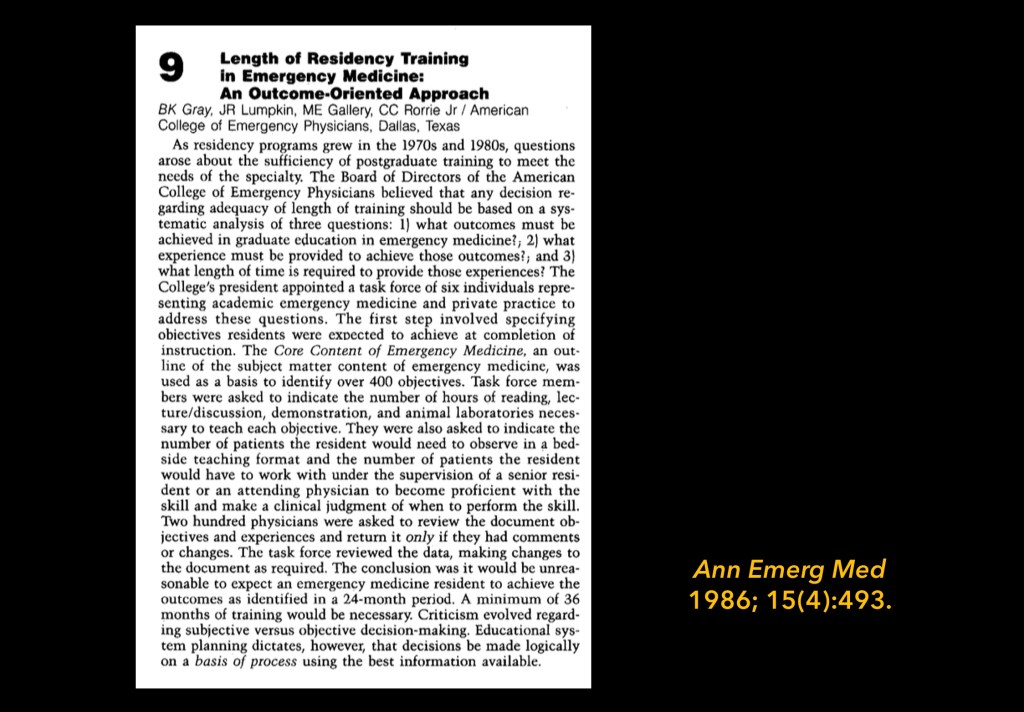
Initially, EM required two years of residency training – after a one-year internship.
–
After EM training was lengthened to 3 years, some programs moved to an integrated 3-year pathway; others kept the internship and added 3-years of categorical EM training.
–
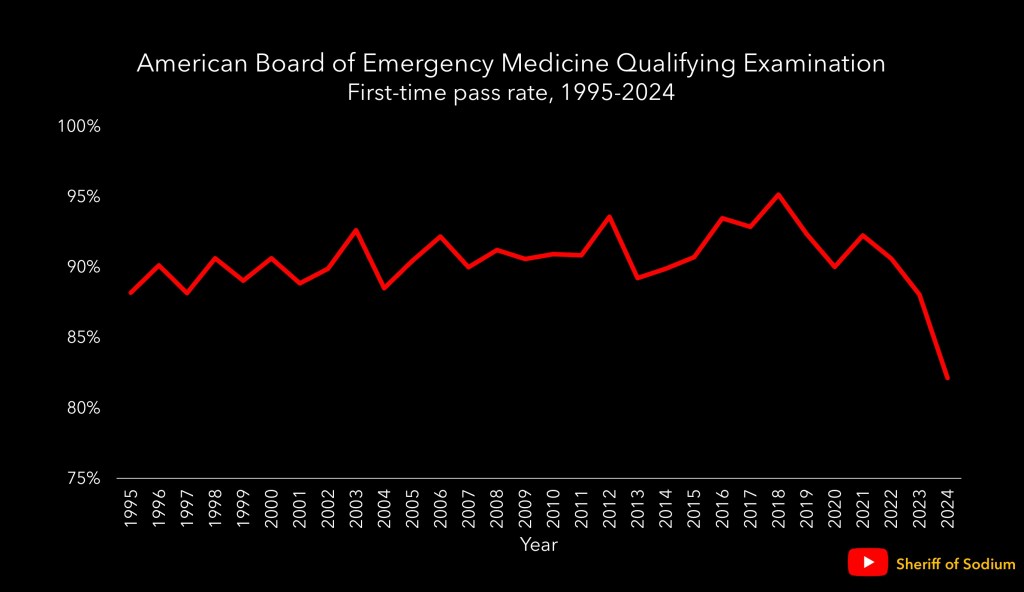
The first-time pass rate for the American Board of Emergency Medicine’s Qualifying Examination has never been lower. Will increasing the length of EM residency training help?
–
Although EM used to be dominated by US MD graduates, it’s grown into more of a “big tent” specialty.
–
The most powerful predictor of performance on high-stakes examinations is performance on previous high-stakes examinations… and collectively, today’s EM residents are relatively less-accomplished high-stakes test-takers than EM residents in the past.
–
The for-profit hospital chain HCA is the single largest sponsor of graduate medical education in the United States – and has invested heavily in EM residencies in recent years.
–
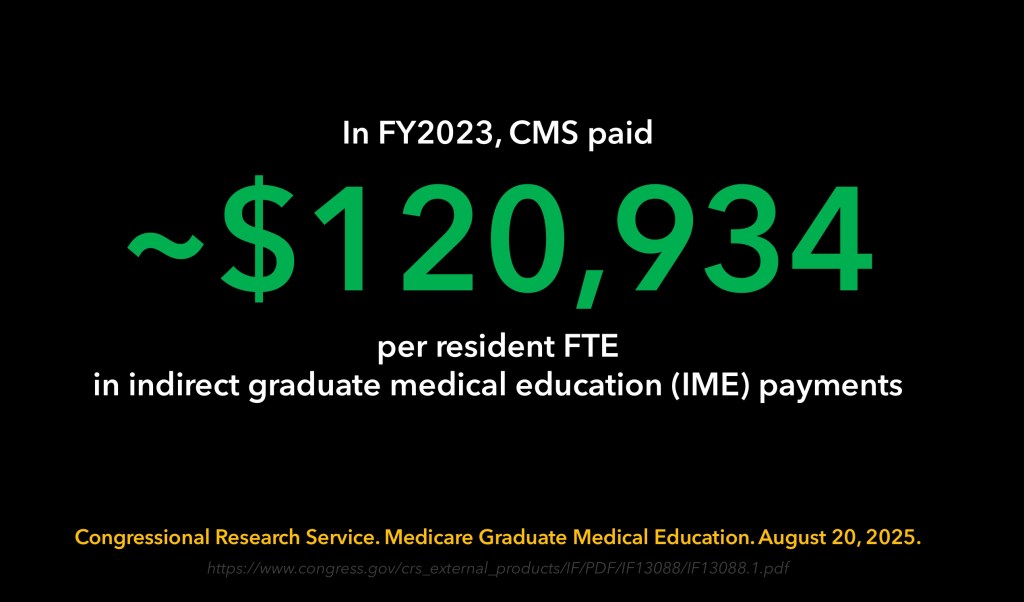
Beyond their contributions to clinical care, training residents often enables generous federal subsidies.
–
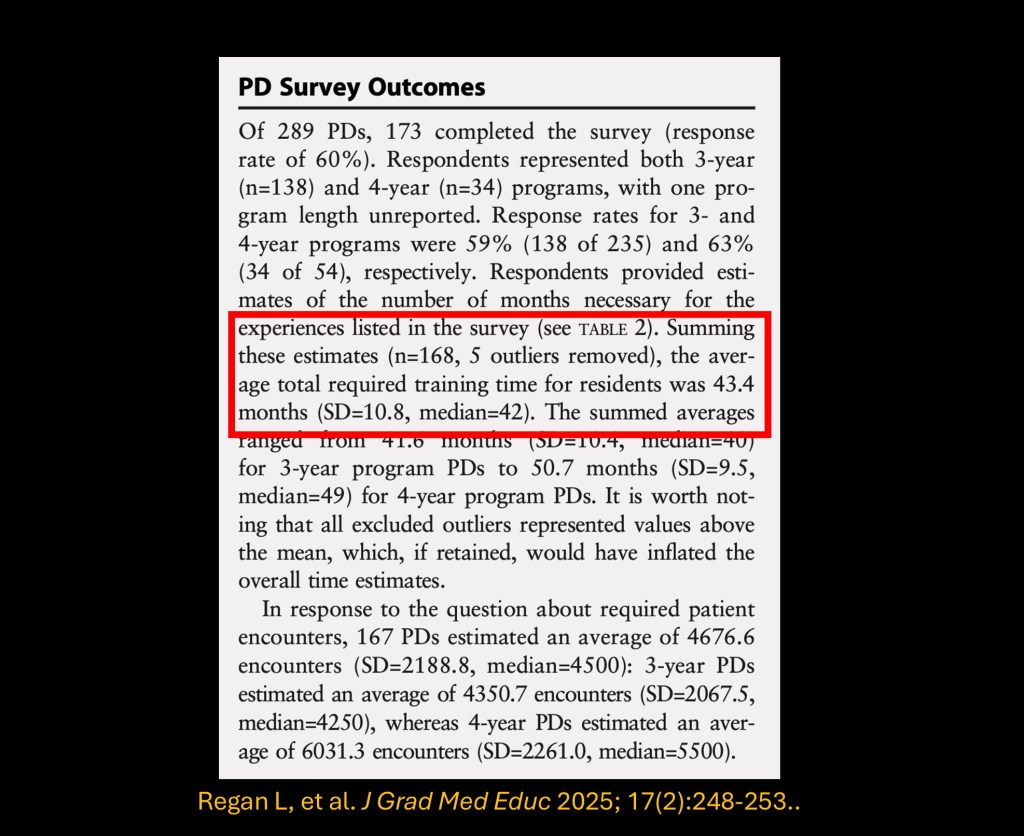
When surveyed, EM program directors felt that training should be longer than 36 months… but not quite 48.
–
Whatever benefits there may be to lengthening EM residency, they’re paid for by EM residents. And the price isn’t cheap.
–
EM is hard. It wouldn’t have taken much to convince me that lengthier training was needed… and yet, I’m unconvinced.







 The Sheriff of Sodium